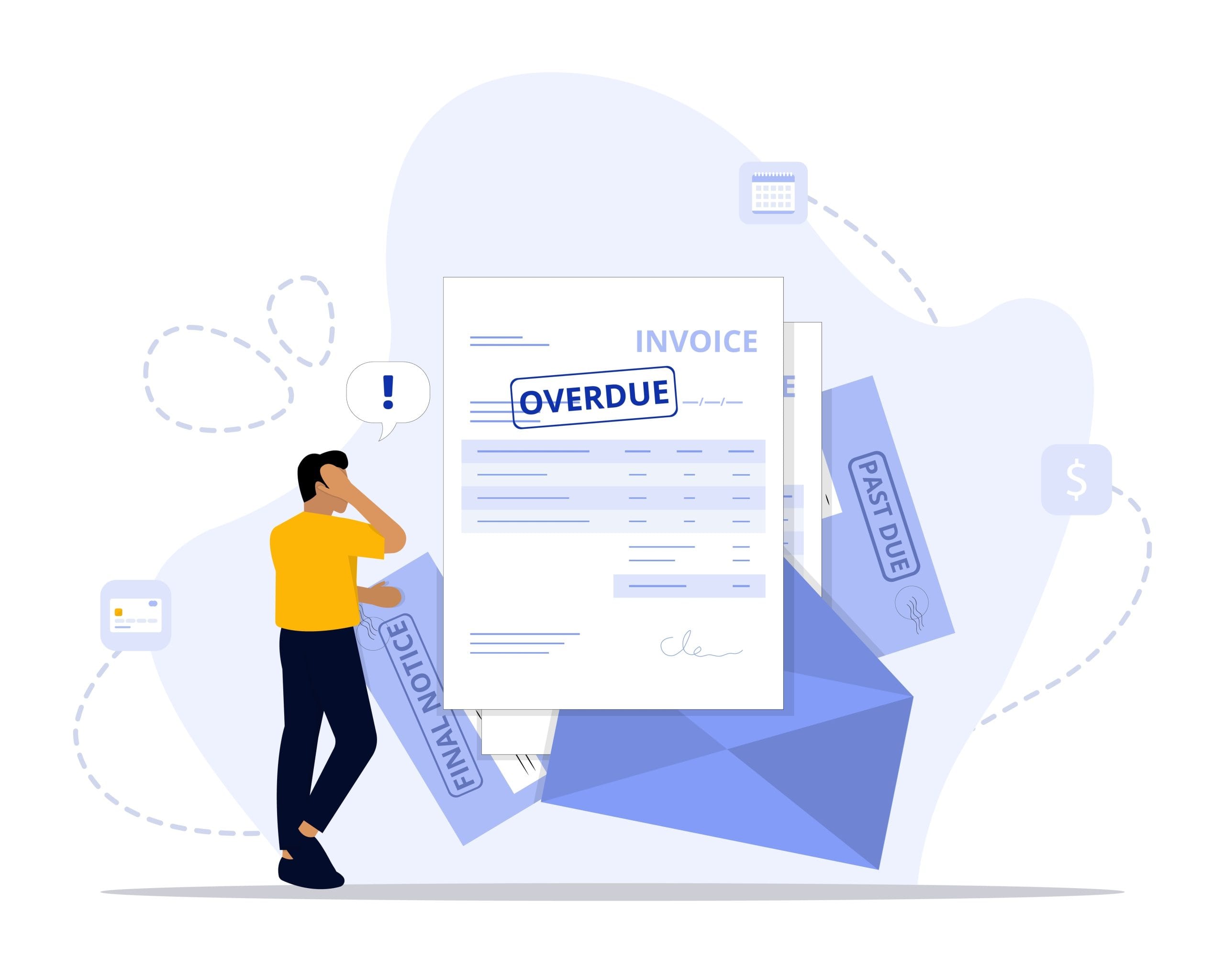
It has been estimated by the Small Business Commissioner that late payments are causing 14,000 businesses to close each year. That is equivalent to 38 businesses a day!
Many business owners are spending their time chasing payments rather than actually running their business.
It is important to understand how to mitigate the effect of late payments as, in a time of economic uncertainty, late payments are creating further challenges for SMEs.
What are the most common causes of late payments?
Late payments are not always intentional. A common reason is that the payer is waiting to be paid by their own customers, leaving them without enough funds when the invoice is due.
Payment dates may also fall before the business receives income, creating short-term cash flow pressure even for profitable firms.
Administrative issues, such as missing invoice details, approval delays or human error, can also push payments past the deadline.
When cash flow is tight, businesses may prioritise essential costs such as wages, rent or supplier payments.
How do late payments harm businesses?
Late payments can affect businesses of any size, but SMEs are often hit hardest.
Some may need overdrafts or loans to bridge the gap, adding interest costs and reducing profitability.
Late payments also take time to chase, diverting owners and finance teams from customers and growth. Repeated delays can restrict investment, strain supplier relationships and make future planning harder.
In severe cases, they can threaten long-term stability and increase the risk of insolvency.
How can an accountant help?
Chasing late payments from a long-term supplier can be quite an awkward position for business owners to be in.
However, accountants are here to help with that.
An accountant can help establish clear payment terms from the outset, ensuring that clients understand exactly when payments are due and what the consequences are for late settlement.
They can also implement accounting software to monitor invoices, track outstanding balances and automate reminders, helping to reduce the risk of payments slipping through the cracks.
Additionally, accountants can make sure invoices are accurate and professionally presented, leaving clients with little reason to question or delay payment.
If these preventative measures are unsuccessful, accountants contact debtors directly by phone or email, send formal payment reminders and issue final notices where necessary.
They can also apply late payment interest and fees in line with agreed terms, encouraging customers to settle their debts promptly.
For businesses that regularly experience late payments, accountants can offer further support through detailed cash flow forecasting and financial planning.
This helps ensure that your business remains financially stable and able to meet its own obligations, even when customer payments are delayed.
By identifying potential cash flow gaps early, accountants can help put strategies in place to minimise disruption and maintain healthy day-to-day operations.
Luckily, you’re in the right place. Our talented team of accountants can help you with all of these to ensure that your business can thrive despite late payments.
For late payment support, get in touch with our team today!